Carpets add warmth, comfort, and visual appeal to indoor spaces, but they also face constant exposure to dirt, spills, and daily wear. Over time, even the most carefully maintained carpet can accumulate stubborn stains that seem impossible to remove using ordinary cleaning methods. From accidental beverage spills to tracked-in mud and deeply embedded grime, tough stains can affect both the appearance and hygiene of a carpet. This is where professional carpet cleaning services play an essential role. By using specialized equipment, targeted cleaning solutions, and proven techniques, these services can restore carpets far beyond what typical household cleaning methods can achieve.
Many property owners attempt to handle carpet stains with do-it-yourself cleaning products or rental equipment. While these solutions may provide temporary improvement, they often fail to fully remove the stain or address the underlying contaminants trapped within the carpet fibers. In some cases, improper cleaning techniques can even worsen the problem by pushing stains deeper into the material or leaving behind residues that attract more dirt. Professional Carpet Cleaning Lehi services approach stain removal with a more comprehensive strategy designed to treat both visible stains and hidden debris.
One of the most important factors that determines whether a stain can be successfully removed is understanding the nature of the stain itself. Different types of substances interact with carpet fibers in different ways. For example, oil-based stains behave very differently from water-based spills, and organic materials may require specialized treatment to break down their chemical composition. Professional cleaners begin by carefully identifying the type of stain and the type of carpet fiber involved before choosing the most effective cleaning approach.
Common types of carpet stains include a wide range of substances that vary in difficulty to remove. Some of the most frequently encountered stains include:
- Food and Beverage Spills – Coffee, tea, juice, sauces, and wine can leave visible discoloration that penetrates deeply into fibers.
- Pet-Related Stains – Pet accidents often involve both visible stains and lingering odors caused by organic compounds.
- Grease and Oil Marks – Cooking oils, cosmetics, and mechanical lubricants can bind tightly to fibers and resist standard cleaning products.
Each type of stain requires a tailored treatment method that targets the specific chemical composition of the substance. Professional carpet cleaners often use specialized pre-treatment solutions designed to break down stubborn residues before the main cleaning process begins. These solutions loosen the particles attached to the fibers, making it easier for extraction equipment to remove them effectively.
Beyond the stain itself, another important consideration is the type of carpet material being cleaned. Carpets are made from a variety of natural and synthetic fibers, and each material responds differently to cleaning methods and chemicals. Delicate fibers may require gentler treatments, while durable synthetic materials may tolerate more intensive cleaning techniques. Professional cleaners evaluate the carpet construction to ensure that the cleaning method will remove stains without damaging the material.
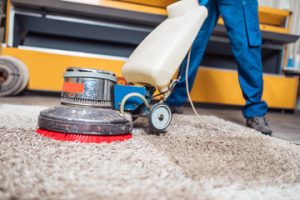
Once the carpet has been evaluated and pre-treated, the next step in professional stain removal typically involves deep cleaning. Deep cleaning goes beyond surface-level dirt removal and targets contaminants embedded deep within the carpet pile. This process often uses high-powered extraction equipment that combines hot water, cleaning agents, and strong suction to lift dirt and stains from the fibers.
The deep cleaning process typically includes several important steps designed to maximize effectiveness:
- Pre-Conditioning the Carpet – A specialized solution is applied to break down oils, dirt, and stain particles trapped in the fibers.
- Agitation of the Fibers – Mechanical brushes or grooming tools help distribute the cleaning solution and loosen embedded debris.
- Hot Water Extraction – Heated water and cleaning agents are injected into the carpet and then immediately extracted, carrying dirt and contaminants away.
Hot water extraction is widely regarded as one of the most effective methods for removing tough stains because it penetrates deeply into the carpet structure. The combination of heat, cleaning agents, and strong suction allows professionals to remove residues that ordinary vacuuming or surface cleaning cannot reach. As a result, carpets often appear significantly brighter and cleaner after the process is completed.
In addition to removing visible stains, professional carpet cleaning services also address hidden contaminants that accumulate over time. Carpets naturally trap dust, allergens, bacteria, and microscopic particles that become embedded within the fibers. While these contaminants may not always be visible, they can contribute to poor indoor air quality and unpleasant odors.
Deep cleaning helps remove these hidden pollutants by flushing them out of the carpet and capturing them through powerful extraction systems. This not only improves the appearance of the carpet but also contributes to a healthier indoor environment. Regular professional cleaning can be especially beneficial in spaces with high foot traffic, pets, or individuals sensitive to allergens.
Another challenge associated with tough carpet stains is odor removal. Certain stains, particularly those caused by organic materials, can produce lingering odors that remain even after the visible discoloration has been treated. Odors often result from bacteria or chemical compounds trapped within the carpet padding or fibers. Simply masking the smell with fragrances does not solve the underlying problem.
Professional cleaning services address odor issues by targeting the source of the smell rather than covering it up. Specialized deodorizing treatments break down odor-causing molecules and neutralize them at the chemical level. In cases where odors have penetrated deeply into the carpet padding, additional treatments may be necessary to fully eliminate the smell.
While many stains can be successfully removed through professional cleaning, it is important to understand that not every stain can be completely erased. Certain substances may permanently alter the dye of the carpet fibers or cause chemical reactions that cannot be reversed. However, even when full removal is not possible, professional cleaning can often significantly reduce the visibility of the stain and restore much of the carpet’s original appearance.
The effectiveness of stain removal often depends on several important factors. These include the age of the stain, the type of substance involved, and how the stain was treated initially. Fresh stains are generally easier to remove because the contaminant has not yet bonded permanently with the fibers. Older stains that have been repeatedly exposed to heat, friction, or improper cleaning products may be more difficult to eliminate.
To maximize the chances of successful stain removal, property owners can follow a few basic guidelines when accidents occur. Acting quickly and avoiding harsh chemicals can prevent the stain from becoming deeply embedded. Some helpful steps include:
- Blot the Spill Immediately – Gently blotting with a clean cloth can absorb excess liquid before it spreads deeper into the carpet.
- Avoid Scrubbing the Area – Scrubbing can push the stain deeper into the fibers and damage the carpet’s texture.
- Use Appropriate Cleaning Solutions – Mild cleaning solutions may help address fresh spills without leaving harmful residues.
Even with prompt attention, some stains will still require professional treatment to achieve the best results. Professional carpet cleaners have access to equipment and cleaning formulations that are far more powerful than standard household products. These tools allow them to address stubborn stains while preserving the integrity of the carpet fibers.
Beyond stain removal, professional carpet cleaning services also help extend the lifespan of carpets. Dirt and debris trapped in the fibers can act like abrasive particles that gradually wear down the material as people walk across the surface. Over time, this friction can cause fibers to break, flatten, or lose their original texture. Regular deep cleaning removes these abrasive particles and helps maintain the carpet’s structural integrity.
Another advantage of professional cleaning is the restoration of the carpet’s original texture and appearance. Dirt buildup can cause carpet fibers to become matted and dull, making the surface look worn and aged. Professional equipment lifts and separates the fibers during the cleaning process, helping them regain their natural softness and resilience.
In addition to improving aesthetics, regular carpet cleaning can also contribute to a more hygienic indoor environment. Carpets act as filters that capture dust, allergens, and airborne particles. While this filtering effect can be beneficial, it also means that carpets gradually accumulate contaminants that must be removed periodically. Deep cleaning helps clear out these particles and refresh the indoor space.
Another important benefit of professional cleaning is the prevention of long-term staining. Some stains become permanent when they remain untreated for extended periods. By scheduling routine professional cleanings, property owners can address minor stains before they become deeply embedded and more difficult to remove.
In conclusion, removing tough carpet stains often requires more than basic cleaning products or household equipment. Professional carpet cleaning services use advanced techniques, specialized solutions, and powerful extraction systems to tackle stains that ordinary cleaning methods cannot handle effectively. From identifying the type of stain to applying targeted treatments and deep cleaning processes, these services provide a comprehensive approach to restoring carpets.
While not every stain can be completely erased, professional cleaning can dramatically improve the appearance, cleanliness, and longevity of carpets. By removing embedded dirt, neutralizing odors, and restoring fiber texture, carpet cleaning services help transform worn and stained carpets into fresh and inviting surfaces once again. For property owners seeking to maintain both the appearance and hygiene of their indoor spaces, professional carpet cleaning remains one of the most effective solutions available.